
The choice between a 15-year and a 30-year mortgage represents a fundamental trade-off between monthly payment comfort and lifetime interest savings. A 15-year mortgage features significantly higher monthly payments but locks in a lower interest rate, allowing you to pay off the debt in half the time and save over $100,000 in interest. A 30-year mortgage offers lower, more flexible monthly payments, which maximizes your home purchasing power and frees up immediate cash flow to invest elsewhere or build emergency funds. Weighing these cash flow constraints against long-term interest costs is essential to choosing the correct loan term.
When you purchase a home, selecting your loan term is just as important as securing a competitive interest rate. The length of your mortgage timeline dictates not only your monthly financial breathing room but also the absolute volume of interest fees you will pay back over the lifetime of the debt.
To compare how these terms affect your path to homeownership, check out our interactive amortization schedule generator. Let us break down the mathematical differences.
The Core Differences: Payment Size vs. Interest Cost
The primary difference between a 15-year and a 30-year mortgage comes down to amortization speed. A 30-year loan stretches your payments over 360 months. This reduces your required monthly check, making the housing expense much more manageable. However, it also means interest accrues on your outstanding balance for twice as long.
A 15-year mortgage compresses that timeline into 180 months. Because you must pay back the principal in half the time, the required monthly principal contribution is significantly higher. However, because lenders face lower duration risk on a shorter loan, they typically reward 15-year borrowers with a lower interest rate.
Case Study: Comparing the Math
Let us look at a head-to-head comparison to evaluate the trade-offs. Suppose you borrow $350,000 using conventional fixed-rate loan terms:
| Mortgage Term | Interest Rate | Monthly P&I Payment | Total Lifetime Interest | Total Cost of Loan |
|---|---|---|---|---|
| 30-Year Fixed | 6.50% | $2,212.24 | $446,404.91 | $796,404.91 |
| 15-Year Fixed | 5.75% | $2,907.82 | $173,408.06 | $523,408.06 |
| Difference (15-Year Savings) | 0.75% Lower | +$695.58 / mo | -$272,996.85 | -$272,996.85 Saved |
In this case study, selecting a 15-year term increases your monthly housing payment by $695.58. However, look at the compounding benefits: you pay off your home in half the time, and you save a massive $272,996.85 in interest payments over the life of the loan.

Figure 1: Visual comparison representing the massive difference in total interest paid under a 30-year mortgage versus a 15-year mortgage.
The 15-Year Mortgage: Honest Pros and Cons
A 15-year fixed mortgage is highly attractive if you want to optimize your long-term balance sheet.
Advantages:
- Gigantic Interest Savings: You avoid paying hundreds of thousands of dollars in interest fees.
- Lower Interest Rates: Shorter terms consistently carry interest rates that are 0.50% to 1.00% lower.
- Rapid Equity Growth: You build equity in your property twice as fast, which is beneficial if you need a home equity line of credit (HELOC).
Disadvantages:
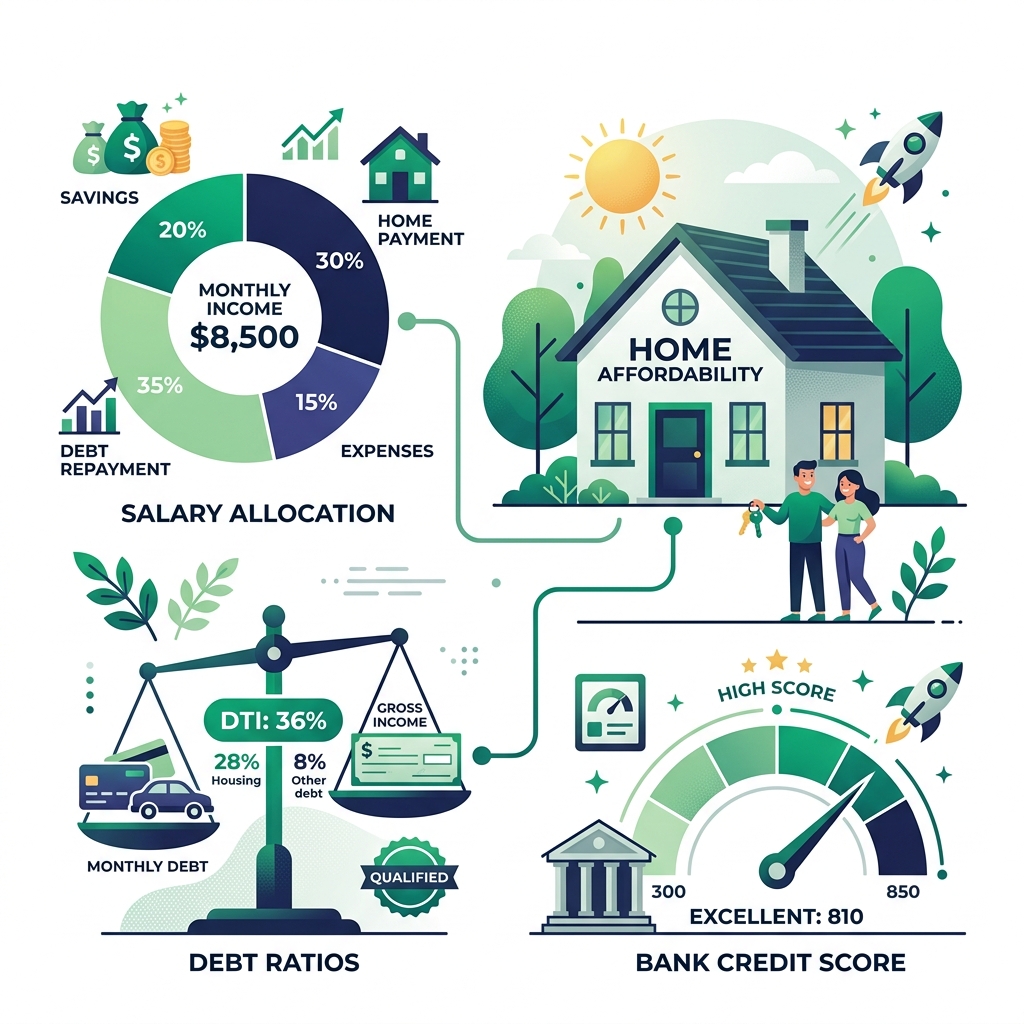
- Lower Purchasing Power: Because your monthly payment is higher, your debt-to-income (DTI) ratio rises, which reduces the maximum purchase price lenders will approve.
- Budget Rigidness: If you face job loss or financial emergencies, you are locked into the higher monthly housing cost.
The 30-Year Mortgage: Honest Pros and Cons
The 30-year fixed mortgage is the standard choice for the vast majority of American homebuyers, primarily due to payment flexibility.
Advantages:
- Lower Required Payment: Frees up monthly cash flow, giving you the flexibility to invest in retirement accounts or save for children's tuition.
- Higher Buying Power: The lower payment makes it easier to qualify for a larger mortgage, allowing you to buy a larger home.
Disadvantages:
- Much Higher Rates: According to historical data tracked by the Freddie Mac Primary Mortgage Market Survey, you pay a premium interest rate for the safety of the long-term payoff.
- Slower Equity Build: In the first ten years, only a small fraction of your check goes toward reducing the principal.
How to Make an Informed Choice
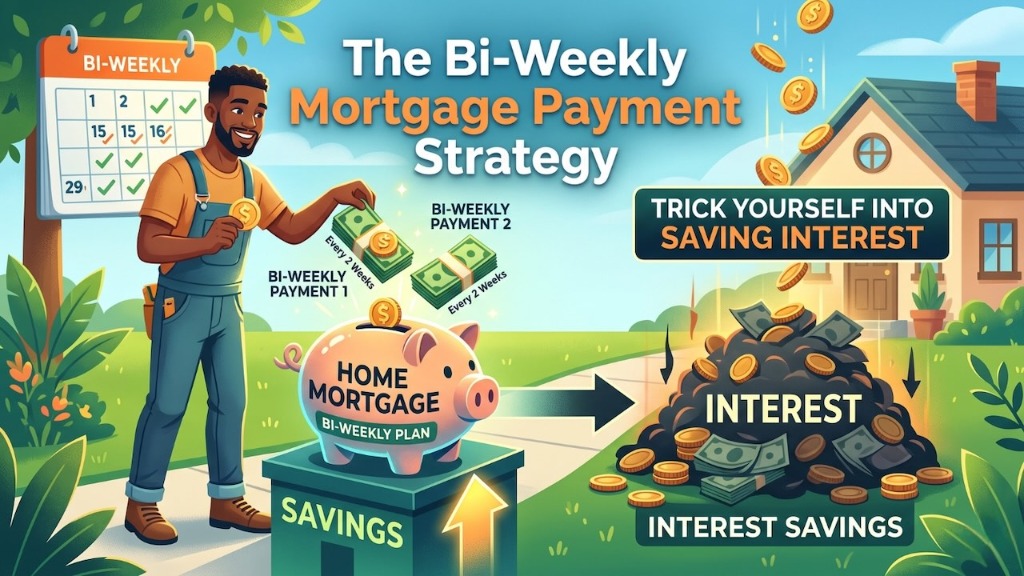
According to standard guidelines outlined by housing finance agencies like Fannie Mae, a great compromise is to select a 30-year fixed mortgage but make extra payments to accelerate your schedule. This strategy allows you to enjoy the low required monthly payment of the 30-year term while shaving years off the mortgage and saving interest whenever you have extra cash.
The Bottom Line
Your choice depends on your financial profile. If you have stable, high income and prioritizing debt clearance, the 15-year fixed is the clear winner. If you prefer financial flexibility and want to allocate capital to higher-yielding investments, a 30-year mortgage offers the best combination of safety and opportunity.
Compare Your Amortization Curves
Plug your loan parameters into our amortization generator to see the month-by-month principal drops and interest splits side-by-side.