
Choosing between a fixed-rate mortgage and an adjustable-rate mortgage (ARM) depends on how long you plan to stay in the home and your tolerance for financial risk. If you plan to sell or refinance within 5 to 7 years, an ARM can save you thousands of dollars through its lower initial interest rate. If you plan to settle down for the long term, a fixed-rate mortgage protects you from future interest rate hikes and offers predictable monthly payments. Understanding the core structural differences between these two loan types is key to selecting the right option for your budget.
One of the most important decisions you will make when financing a home is choosing how your interest rate behaves. The loan structure you choose directly dictates your monthly check and total long term borrowing costs.
Using a mortgage payment calculator is a great way to test how different rates affect your budget. However, you must first understand the structural trade-offs between fixed and adjustable rate products.
Fixed-Rate Mortgages: Predictable and Stable
A fixed-rate mortgage locks in your interest rate for the entire life of the loan. Whether you select a 15-year or a 30-year term, your note rate will never change.
The Advantages of Fixed Rates:
- Budget Predictability: Your principal and interest payment remains exactly the same every month.
- Protection from Inflation: Even if market interest rates skyrocket, your loan cost remains locked in.
- Simplicity: There are no complex adjustment indexes, margins, or caps to track.
Adjustable-Rate Mortgages (ARMs): Low Initial Rates
An adjustable-rate mortgage (ARM) split-structures your timeline. It features an initial period of fixed interest (typically 5, 7, or 10 years) where the rate is set below the prevailing market fixed rate. After this period, the rate adjusts up or down at regular intervals (usually once a year) based on benchmark market indexes.
The Advantages of ARMs:
- Lower Start Rates: The introductory rate is significantly lower than a standard 30-year fixed rate, reducing your early monthly payments.
- Short Term Savings: If you sell the home before the introductory period ends, you maximize your savings.
- Falling Rates Benefit: If market rates drop, your mortgage rate can decrease without the need to pay for refinancing.
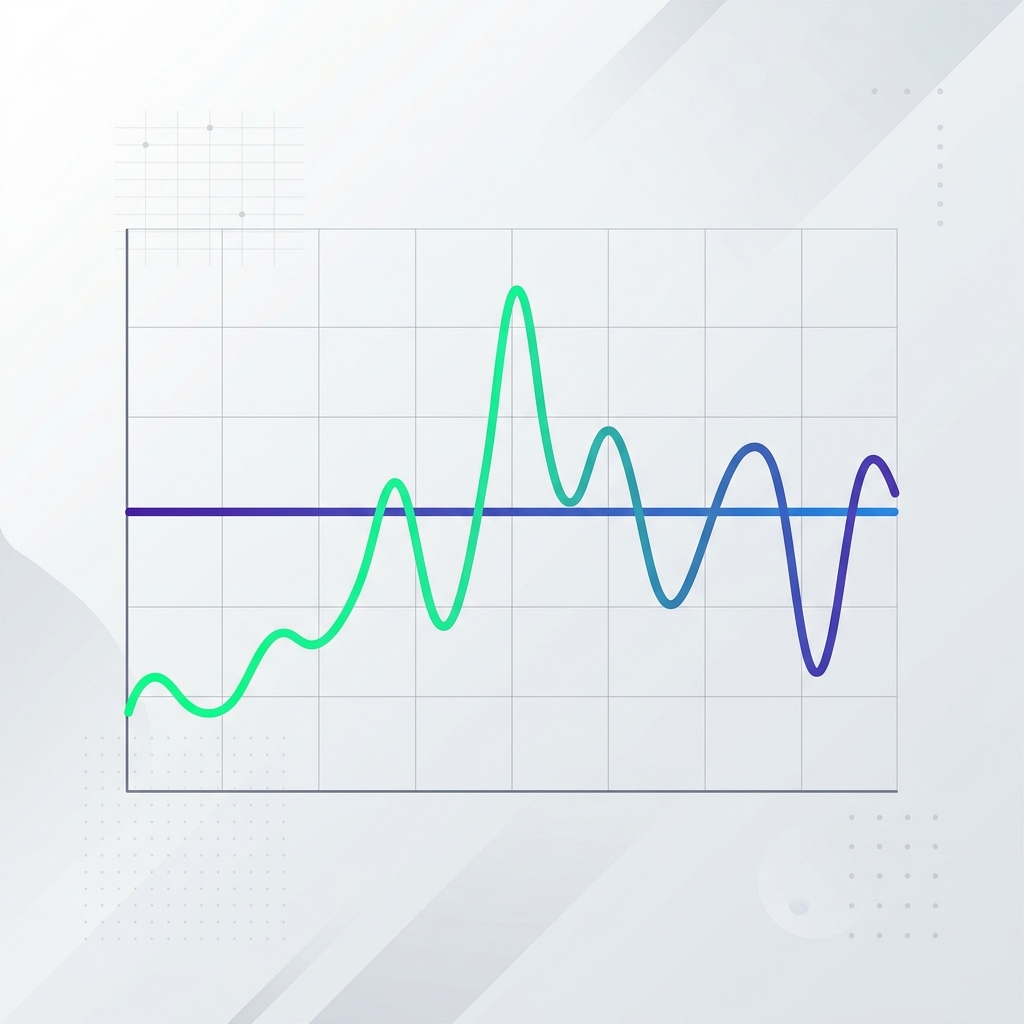
Figure 1: Visual comparison showing a stable 30-year fixed rate line versus a fluctuating adjustable-rate mortgage (ARM) line.
Fixed vs. ARM: Head-to-Head Comparison
| Feature | Fixed-Rate Mortgage | Adjustable-Rate Mortgage (ARM) |
|---|---|---|
| Rate Behavior | Remains constant for life of loan | Adjusts periodically after initial term |
| Initial Payment | Typically higher | Lower (discounted introductory rate) |
| Long-Term Risk | None (fully protected from rate hikes) | High (rates can adjust upward after fixed term) |
| Ideal For | Long term owners (10+ years) | Short term owners (planning to sell or refinance) |
How Rate Caps Protect ARM Borrowers
According to formal guidelines from the Consumer Financial Protection Bureau, ARMs must feature rate caps to protect borrowers from unlimited payment hikes. These caps typically structure into three parts:
- Initial Adjustment Cap: The maximum percentage your rate can change the very first time it adjusts.
- Periodic Adjustment Cap: The maximum amount the interest rate can adjust during any single subsequent period (usually 1 or 2 percentage points per year).
- Lifetime Cap: The absolute ceiling your interest rate can reach during the entire term of the loan.
During underwriting reviews, lenders verify that your debt ratios can handle a worst case payment scenario if rates adjust upward. This review process aligns with standard credit guidelines defined by Fannie Mae. You can verify your qualifications under conservative housing limits using our home affordability calculator.
The Bottom Line
Your choice depends on your timeline. If you plan to live in your new home for decades, a fixed-rate loan shields you from interest rate volatility. If you are certain you will relocate or refinance before the initial term expires, choosing an ARM lets you leverage lower early payments to build wealth elsewhere.
Compare Your Monthly Payment Paths
Test different interest rate structures. Use our amortization tool to visualize how your principal balance and interest fee splits change over 15 or 30 years.